Why Slow Travel Is the Best Way to Experience the Nile
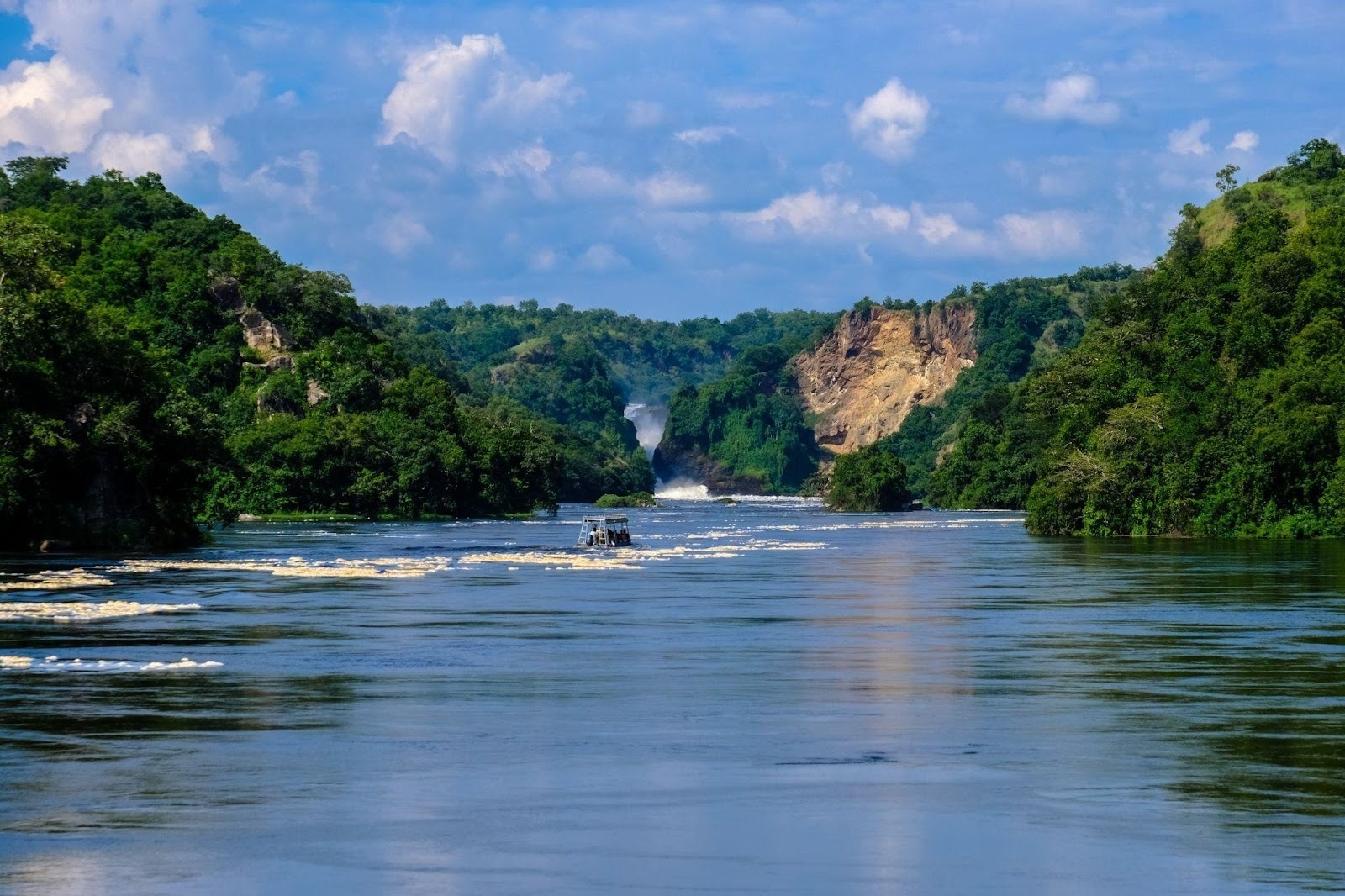
To sail the Nile is to step into a rhythm that hasn’t changed in five millennia. While modern travel often feels like a race against a clock, the Nile remains a sanctuary of “slow travel,” where the movement of the water dictates the tempo of your discovery. For the British traveler, trading the high-speed commute for the steady glide of a riverboat is the ultimate recalibration, turning a standard holiday into a deep, meditative engagement with the cradle of civilization.
Choosing a Nile cruise and stay package allows you to balance this aquatic serenity with a more grounded exploration of Egypt’s monumental landscape. While all inclusive holidays on the Red Sea offer a spectacular escape into the blue, a journey along the Nile provides a moving classroom of history, culture, and nature. By pairing a few days of sailing with a focused stay in Luxor or Aswan, you ensure that your encounter with the pharaohs is never rushed, allowing the weight of the antiquity to settle as slowly as the river silt.
Navigating this storied waterway requires a logistical touch that values quality over quantity. All inclusive holidays. The passage from the Valley of the Kings to the High Dam unfolds most memorably when the focus stays on the river itself rather than the movement along it. As the emerald banks slowly give way to golden desert sands, the modern world begins to recede, replaced by a timeless perspective shaped by the Nile a rhythm often encountered on journeys that include Travelodeal.
The Floating Hotel Experience
The most practical benefit of a Nile cruise is the “moving hotel” concept. Unlike land-based tours that require constant packing and long, dusty bus rides, a cruise allows your room to travel with you. You unpack once and let the landscape come to you. This convenience creates a psychological space that is essential for slow travel; instead of worrying about the next check-in, you can focus entirely on the sight of a fisherman casting a net or the way the light hits a 3,000-year-old column at dawn.
Accessing the Inaccessible
One of the greatest advantages of the river route is the access it provides to temples and villages that are difficult to reach by road. Sites like Edfu and Kom Ombo sit directly on the banks, allowing you to step off the boat and into the ancient world in a matter of minutes. This direct connection bypasses the “tourist bubble” of major transport hubs, offering a more intimate and quiet encounter with the past. For the unhurried traveler, these smaller stops are often the most profound, revealing details that are missed by those on a whistle-stop tour.
The Ritual of the Sundeck
In the philosophy of slow travel, the time spent between destinations is just as important as the destinations themselves. On the Nile, this time is lived on the sundeck. Watching the life of the riverbank unfold kids waving from mudbrick houses, farmers tending to water buffalo, and white-sailed feluccas drifting by is a form of moving meditation. This “visual silence” is the perfect counterpoint to the intellectual intensity of the temple tours, providing the necessary breathing room to process the sheer scale of the history you are witnessing.
A Legacy of Hospitality
The Nile has been a corridor of trade and travel for thousands of years, and that legacy is reflected in the hospitality you find on board. From the traditional galabeya parties to the shared meals featuring local baladi bread and hibiscus tea, the social rhythm of the boat is designed to be warm and inclusive. This communal atmosphere turns a simple journey into a shared experience, where the evening conversation with fellow travelers becomes as much a part of the memory as the monuments themselves.
Reflection on the Eternal Current
Sailing the Nile teaches us that the best way to see the world is at the speed of nature. It is a river that has seen empires rise and fall, and its steady, unhurried flow is a reminder that the most valuable things in life take time to build—and time to appreciate. By the time you reach the end of your cruise, you realize that the real magic of Egypt isn’t just in its tombs, but in the enduring peace of its waters. The horizon remains wide and inviting, promising that whenever you need to find your own natural rhythm, the eternal current of the Nile is waiting to guide you home.