Crete for the Curious Traveller: Stories Etched in Stone and Sea
Crete is more than an island – it’s a living epic. Every hillside, harbour, and village carries echoes of the past, from the Minoan palaces that birthed Europe’s first civilisation to the timeless rhythm of waves on its southern shores. Here, myth and memory share the same air. The scent of thyme drifts over stone paths, fishermen hum softly at dawn, and the sun paints the mountains in shifting shades of amber and rose. Crete rewards curiosity – the kind that seeks not just sights, but stories.
For travellers drawn to depth and discovery, Crete holidays offers the perfect balance between history and hospitality. The island stretches like a continent in miniature, from rugged gorges and olive valleys to hidden monasteries perched above the sea. Villages like Archanes, Chora Sfakion, and Anogia reveal traditions that have endured for centuries. Meanwhile, all-inclusive holiday packages make it easier than ever to explore the island’s diversity without sacrificing comfort. Here, ancient ruins and modern luxury live side by side, and every journey feels both rooted and new.
Exploring Crete well means slowing down and listening – to its people, its silence, and its sea. Choosing Crete holidays that weaves cultural encounters with coastal ease transforms travel into something more meaningful. In companies like Travelodeal, itineraries are created to uncover the island’s lesser-known corners – where hospitality feels personal, and history lingers in the light.
The Echoes of Ancient Crete
The island’s story begins at Knossos, the legendary palace of King Minos, where myth and archaeology intertwine. Frescoes of dolphins and dancers still ripple across the ancient walls, whispering tales of a civilisation that thrived long before Athens rose. Walking through its ruins, one senses that Crete’s greatness was never just in its power, but in its artistry – its love for beauty, balance, and the sea.
Beyond Knossos, the archaeological sites of Phaistos and Malia offer quieter reflections, set against olive groves and open skies. Here, the wind carries the same warmth it did three thousand years ago.
Villages of Stone and Story
Leave the main roads behind, and Crete reveals its gentler side. In the mountain villages of the interior, old men play cards under vine-covered pergolas, and women bake bread in clay ovens scented with oregano. The pace is unhurried; the welcome, effortless. Every square, every café, tells its own small story.
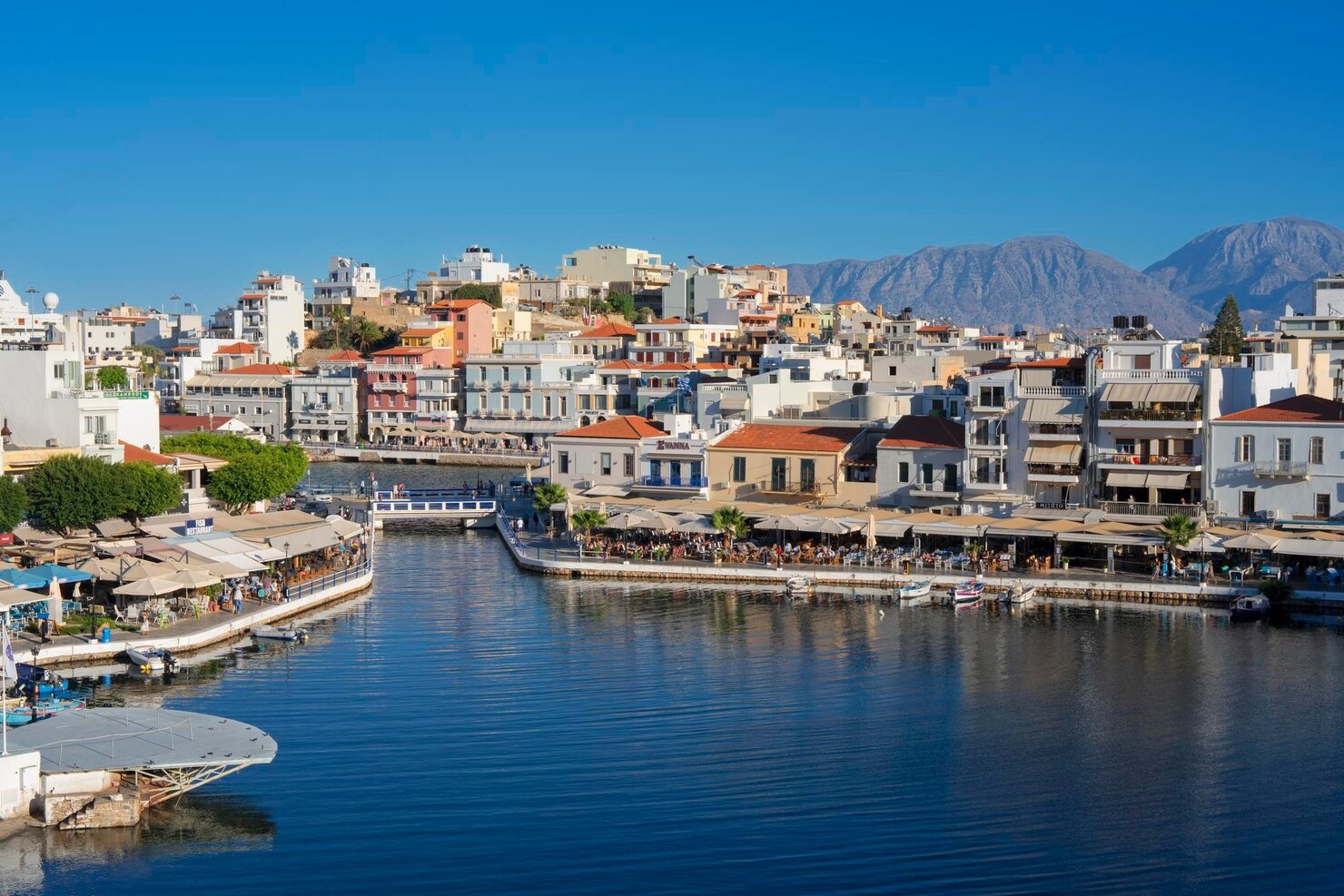
The west, near Chania, is particularly enchanting – a mosaic of Venetian harbours, cobbled streets, and pastel façades that blush in the evening light. In contrast, the southern coast offers solitude: small fishing towns where boats sway quietly at dusk and tavernas serve grilled octopus beside the water.
The Taste of Tradition
To eat in Crete is to understand its heart. Meals are generous, simple, and full of character – olive oil so pure it gleams, honey from mountain hives, cheese made in hillside caves. Raki flows as freely as laughter, and every meal feels like a celebration of the island’s abundance.
Markets brim with colour: baskets of tomatoes and figs, sacks of herbs, and jars of preserves glowing like amber. Food here is both sustenance and story, a link between land and lineage.
Where Myth Meets Horizon
As evening descends, the island softens. From the beaches of Elafonissi to the cliffs above Loutro, the sea turns glassy under the fading sun. The same horizon that once guided traders and sailors now welcomes travellers who come seeking quiet wonder.
Crete reminds you that history isn’t something to observe – it’s something to feel. Between the stones and the sea, life continues as it always has: patient, proud, and deeply human.