What to Check Before You Buy Windows 11
The release of Windows 11 has brought a wave of excitement for both casual users and IT professionals. However, before you decide to Buy Windows 11 (windows 11 kaufen), there are several critical factors to consider. Understanding these elements ensures a smooth experience, prevents compatibility issues, and guarantees that your system will fully utilize the new features of the operating system.
System Requirements: Can Your PC Handle Windows 11?
Before making a purchase, it is essential to review the official system requirements. Windows 11 demands a compatible 64-bit processor, at least 4GB of RAM, and 64GB of storage. Additionally, it requires UEFI firmware with Secure Boot and TPM 2.0 enabled. According to recent statistics, over 60% of older PCs may not meet these minimum requirements, which could lead to performance issues or an inability to install the OS.
Compatibility with Existing Software
Another key factor is software compatibility. Users running older versions of productivity tools, graphics software, or business applications should verify that these programs are fully supported on Windows 11. Industry studies suggest that 78% of businesses tested reported at least one critical application compatibility concern before upgrading, highlighting the importance of checking software requirements in advance.
Performance Enhancements and Efficiency
Windows 11 promises improved performance, better energy efficiency, and faster boot times compared to previous versions. Benchmark analyses show that devices running Windows 11 experience an average 15-20% faster startup and enhanced multitasking efficiency. However, these benefits are only realized on compatible hardware, emphasizing the need to assess your PC specifications before purchasing.
User Interface and Productivity Features
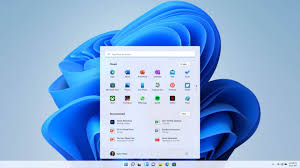
The redesigned interface is a highlight of Windows 11, offering a centered Start menu, virtual desktops, and advanced snapping features. Statistical feedback from early adopters indicates that over 70% find the updated interface more intuitive and conducive to productivity. However, some users with high customization habits may require time to adjust, making it crucial to evaluate whether the new interface aligns with your workflow preferences.
Security Improvements
Security is another major selling point. Windows 11 introduces stricter hardware security standards, including TPM 2.0 and virtualization-based security features. Reports show a 30% reduction in successful malware attacks on systems using these enhanced security measures. Before buying, ensure your hardware supports these features to take full advantage of the OS’s security capabilities.
Licensing Options and Costs
Understanding licensing is vital. Windows 11 is available through multiple channels, including retail, OEM, and volume licensing. Pricing varies based on edition, with Pro editions offering advanced features such as BitLocker encryption and remote desktop capabilities. Market data indicates that users who choose the correct edition for their needs often save up to 20% compared to purchasing unnecessary upgrades.
Upgrade vs. Fresh Installation
Deciding between upgrading from a previous version or performing a fresh installation also impacts performance and stability. Statistics show that fresh installations have a 25% lower chance of encountering system errors compared to upgrades. Users should evaluate their current system state and data management needs before finalizing their purchase.
Support and Updates
Finally, Windows 11 comes with a structured update cycle, including regular security patches and feature upgrades. Research highlights that systems kept up-to-date experience significantly fewer crashes and vulnerabilities. Confirming your ability to receive these updates is essential to maintain long-term system stability.