Coronation Property: A Comprehensive Data-Driven Insight into Integrated Development, Urban Living, and Long-Term Housing Innovation in Australia
Coronation Property is a leading Australian property development organisation known for its integrated approach to residential and mixed-use urban projects. The company combines development, construction oversight, and ongoing property management under one coordinated structure. This model enables it to deliver large-scale housing communities while maintaining consistent quality, operational efficiency, and long-term asset performance.
Below is a structured, statistics-style professional breakdown of its operations presented in a question-and-answer format to highlight its development philosophy, scale, and impact.
What defines the core business model of Coronation Property?
The core business model is based on full-cycle property development, meaning the organisation is involved in every stage of a project’s lifecycle. This includes land acquisition, planning, design coordination, construction management, leasing strategy, and ongoing building operations.
By managing these stages internally, the organisation ensures strong alignment between design intent and final delivery outcomes. This approach reduces fragmentation and allows for consistent quality control across all projects.
The model is particularly effective for large-scale residential precincts where coordination between multiple disciplines is essential for successful delivery.
How large is its development footprint in Australia?
Coronation Property manages a significant pipeline of residential and mixed-use developments across key urban locations. Industry estimates indicate thousands of completed dwellings, with a substantial pipeline of future housing projects in progress or planning stages.
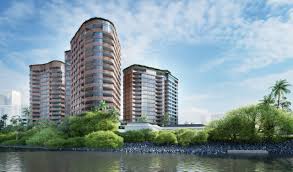
The organisation’s portfolio reflects steady expansion into high-density urban precincts designed to address housing demand in growing metropolitan areas. These developments are often structured as master-planned communities that combine residential, commercial, and recreational components.
This scale demonstrates its position as a major contributor to urban housing supply and infrastructure development.
What is the significance of build-to-rent developments in its strategy?
Build-to-rent plays a central role in the organisation’s long-term housing strategy. This model focuses on developing entire residential buildings that are retained under unified ownership and operated as long-term rental communities.
Instead of individual unit sales, these developments are designed for professional management, providing stable rental housing with consistent service standards. The approach supports housing accessibility while creating professionally maintained living environments.
It also enables more predictable occupancy levels and long-term asset performance within the residential sector.
How does integrated property management support operations?
Integrated property management ensures that completed developments continue to perform effectively after construction. Dedicated teams manage leasing, tenant relations, maintenance coordination, and building operations.
On-site building managers handle day-to-day operational issues, ensuring timely responses to maintenance requests and smooth functioning of shared facilities. Property managers oversee rental performance, tenant selection, and compliance requirements.
This structure creates a streamlined operational system where both physical assets and resident experience are actively maintained.
What role does design and planning play in its developments?
Design and planning are central to every project, with a focus on creating functional, liveable, and sustainable urban environments. Each development is shaped through collaboration between architects, engineers, and planning teams to ensure strong integration with surrounding infrastructure.
Projects typically include a mix of residential apartments, retail spaces, green areas, and pedestrian-friendly infrastructure. This balanced design approach supports community engagement and improves overall livability.
The emphasis on design quality ensures that developments remain relevant and valuable over the long term.
How is technology integrated into property operations?
Technology is used extensively to improve communication, efficiency, and operational transparency. Digital platforms allow residents to submit maintenance requests, track progress, and access property information in real time.
These systems also support internal teams by centralising data related to building performance, tenant management, and maintenance scheduling. This enables faster response times and more informed decision-making.
The integration of technology enhances service delivery and ensures smoother day-to-day operations across all developments.
How do these developments contribute to urban transformation?
The organisation plays an active role in urban renewal by converting underutilised or industrial land into high-quality residential and mixed-use precincts.
These projects are designed to improve urban density in a structured way, ensuring that housing growth is supported by infrastructure, transport access, and community amenities. The inclusion of parks, retail areas, and public spaces helps create self-sustaining neighbourhoods.
This contributes to long-term city shaping by improving land use efficiency and enhancing urban liveability.
What benefits are delivered to residents and property owners?
Residents benefit from well-managed living environments, professional on-site support, and access to shared amenities. The focus on maintenance and service responsiveness ensures a consistent and reliable residential experience.
Property owners benefit from structured asset management, stable rental income strategies, and reduced operational complexity. The integrated system supports long-term investment performance while maintaining strong oversight of building conditions.
Together, these benefits create a balanced model that supports both lifestyle quality and financial sustainability.
Conclusion
Coronation Property represents a modern, integrated approach to property development and residential management in Australia. By combining full-cycle development capabilities with structured property operations, it delivers large-scale housing solutions designed for long-term urban impact.
Its focus on design quality, operational efficiency, and community-oriented planning ensures that each project contributes positively to urban growth and housing supply. As cities continue to evolve, such integrated development models play an increasingly important role in shaping sustainable and well-connected residential environments.