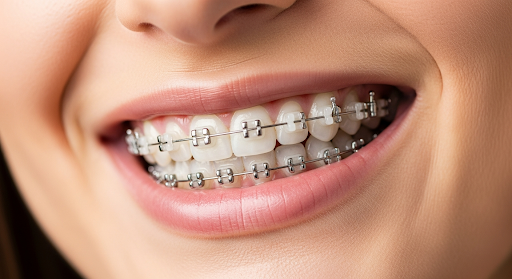
What Should You Consider When Choosing Braces for Perfect Alignment
Choosing the right orthodontic treatment is a meaningful step toward achieving a healthier, more confident smile. For many individuals, braces are more than just a cosmetic solution; they are a long-term investment in dental harmony, improved function, and lifelong oral health. The journey begins with understanding your needs, examining available options, and selecting the technique that aligns with your goals. The decision can feel overwhelming, but an experienced specialist helps simplify the process and ensures that personalized guidance is available each step of the way.
Understanding these considerations from the outset enables patients to approach treatment with clarity and confidence. Beginning the journey with a thoughtful examination of available choices ensures better results and a more fulfilling orthodontic experience. Many patients also look for options that fit seamlessly into their daily routines, which makes choosing the best dental braces an essential step in achieving both convenience and outstanding outcomes.
Evaluating Your Teeth and Bite
The foundation of any successful orthodontic plan begins with evaluating the structure of your teeth and the alignment of your bite. This assessment reveals the direction treatment should take and the type of braces most suited to your requirements. A thorough diagnosis helps create a roadmap for achieving balance, function, and aesthetics.
- Precise Imaging and Examination: Digital X-rays, photographs, and impressions help orthodontists understand the exact position of each tooth. These details shape the treatment plan and determine which brace type ensures optimal movement.
- Bite and Jaw Alignment Observation: Overbites, underbites, and crossbites influence the complexity of treatment. Proper evaluation helps select braces that will correct both cosmetic and functional issues effectively.
- Customized Recommendations: Personalized analysis ensures the braces chosen address your specific dental challenges, supporting a predictable and smooth alignment journey.
Understanding Functional and Aesthetic Preferences
Different individuals have different priorities when beginning orthodontic care. Some prefer subtlety, while others seek a strong and efficient system capable of correcting more complex misalignments. Aligning personal preferences with clinical needs enhances treatment satisfaction.
- Consideration of Visibility: Ceramic or clear braces appeal to those who want a discreet appearance. They blend with natural teeth and provide a more refined aesthetic throughout treatment.
- Lifestyle Compatibility: Your daily routine, job role, or comfort levels may influence your choice. Understanding how braces fit into your lifestyle helps ensure commitment and consistency.
- Confidence Throughout Treatment: Choosing braces that match your aesthetic expectations allows you to feel comfortable and confident throughout your orthodontic journey.
Exploring Available Bracing Options
Modern orthodontics offers several types of braces, each designed to address different alignment needs. Exploring these options helps patients decide which system supports the most favorable outcome.
- Metal Braces for Reliable Correction: Metal braces remain a dependable choice for complex dental misalignment. They provide strong control and steady movement, making them ideal for demanding cases.
- Ceramic Braces for Subtle Appearance: Ceramic brackets offer the same strength as metal but blend more naturally with teeth, offering an appealing balance between function and aesthetics.
- Advanced Orthodontic Technologies: Innovations in wire design, bracket shape, and overall system performance make treatment more comfortable and efficient.
Treatment Duration and Commitment
Treatment time varies depending on the condition of your teeth and the type of braces selected. Understanding the level of commitment required helps patients prepare mentally and practically.
- Timeline Based on Complexity: Minor adjustments may require only a short period, while broader corrections take longer. Knowing your expected timeline encourages consistency.
- Regular Visits for Adjustments: Braces require scheduled appointments to monitor progress. These visits ensure your teeth are moving correctly and safely.
- Staying Committed to the Process: Consistency increases success. Following the orthodontist’s instructions helps maintain pace and supports smoother progress.
Supporting Alignment Progress with Consistent Oral Care
Oral hygiene plays a crucial role in braces treatment. Clean teeth allow braces to work more efficiently and prevent issues such as decay and gum irritation.
- Effective Brushing Techniques: Special brushes help clean around brackets and wires to prevent plaque buildup. Proper cleaning routines protect teeth during treatment.
- Dedicated Tools for Cleaning: Floss threaders, water flossers, and interdental brushes reach areas that are difficult to clean, keeping your smile fresh and healthy.
- Preventing Dental Complications: Maintaining strong oral hygiene reduces the risk of stains, sensitivity, and gum concerns throughout orthodontic care.
Choosing Based on Comfort and Adaptability
Comfort influences the patient’s treatment experience. Selecting braces that feel manageable helps ensure a smoother adjustment period.
- Material and Design Considerations: Different systems offer different comfort levels. Brackets with rounded edges or smoother surfaces reduce irritation.
- Adaptation Period and Sensitivity: Some mild discomfort is natural initially, but choosing braces that fit well helps patients adapt faster.
- Regular Monitoring for Adjustments: Routine visits ensure wires or brackets are adjusted for comfort as your teeth shift into their new positions.
Understanding Long-Term Stability and Retention
After braces come off, retainers help maintain alignment. Long-term stability depends on consistent retainer use and proper follow-up.
- Customized Retainer Options: Retainers designed for comfort allow patients to maintain results without difficulty.
- Maintenance of Alignment: Wearing retainers ensures teeth remain in their corrected positions after treatment.
- Ongoing Professional Support: Regular checkups help maintain long-term oral health and address any shifting early.
Conclusion
Selecting the right braces is a meaningful step in achieving a balanced and attractive smile. By considering bite needs, lifestyle preferences, aesthetics, comfort, and long-term stability, patients can choose a system that supports both function and appearance. Many individuals explore standard braces in Dubai for dependable and effective correction, while others opt for more subtle options based on personal preference.
Queens Medical Center offers dedicated orthodontic guidance, advanced diagnostic tools, and customized treatment plans designed to support smooth alignment and lasting results. With professional care and expert supervision, patients can begin a confident and rewarding journey toward a beautifully aligned smile.