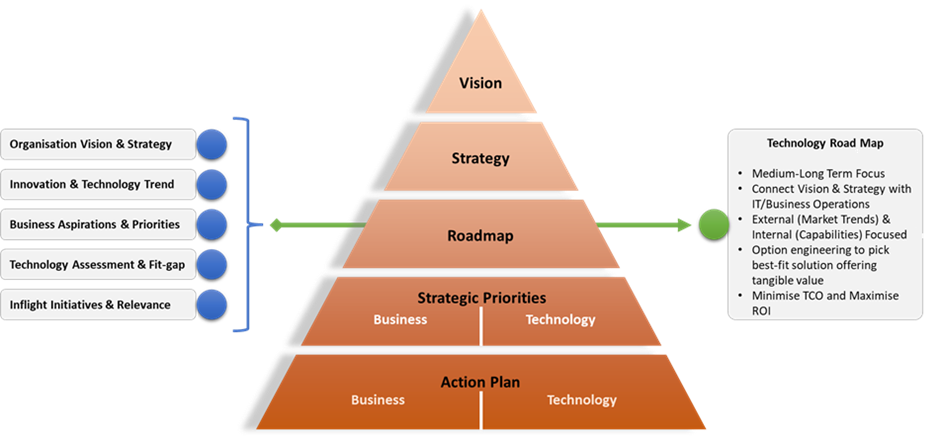
Understanding the Difference Between Strategic and Operational Technology Roadmaps

Technology roadmaps play a vital role in helping organizations plan, align, and execute their digital strategies. However, not all roadmaps serve the same purpose. Two types stand out as especially important: strategic technology roadmaps and operational technology roadmaps. Although they are often used together, each serves a distinct function and focuses on different layers of business planning.
This article explores the key differences between strategic and operational technology roadmaps and highlights when and how to use them effectively.
What Is a Strategic Technology Roadmap?
A strategic technology roadmap focuses on the long-term vision of an organization. It aligns technology initiatives with broader business goals, typically over three to five years. These roadmaps help decision-makers determine where the business is going, what technologies will be required to get there, and how innovation will support growth.
Key features of a strategic roadmap include:
- Long-term planning horizon (3–5 years or more)
- Alignment with corporate objectives and market trends
- Focus on digital transformation, innovation, and competitiveness
- Identification of major technological capabilities and initiatives
- High-level budget planning and resource forecasting
Strategic roadmaps are often used by senior executives, IT leadership, and board members to evaluate whether the company is on track to achieve its future vision using the right technologies.
What Is an Operational Technology Roadmap?
An operational technology roadmap, on the other hand, is more focused on short-term execution. It outlines the specific projects, deliverables, and timelines required to implement the strategies defined in the strategic roadmap. This type of roadmap typically covers 12 to 24 months and is far more detailed.
Key features of an operational roadmap include:
- Short-to-medium-term timeline (usually up to 2 years)
- Detailed tasks, milestones, and implementation schedules
- Resource allocation and team responsibilities
- Integration with daily operations and IT infrastructure
- Coordination with other departments such as procurement, HR, or finance
Operational roadmaps are primarily used by project managers, IT teams, and department heads who need to manage execution on a day-to-day or month-to-month basis.
Key Differences in Focus and Audience
The primary difference between the two lies in their scope and audience. A strategic roadmap is intended for senior leadership and focuses on long-term direction. It helps shape the company’s technological future by identifying where the organization wants to go and what it needs to achieve to get there.
On the other hand, an operational roadmap is more tactical, aimed at internal teams responsible for implementation. It breaks down the strategic vision into actionable steps, ensuring the business moves steadily toward its objectives without confusion or delay.
When to Use Each Roadmap
Use a strategic roadmap when:
- You are planning a major business transformation
- Entering new markets or launching new products
- Reassessing your organization’s long-term technology vision
Use an operational roadmap when:
- Executing specific IT projects
- Allocating teams and managing deadlines
- Coordinating interdepartmental initiatives
Conclusion
Understanding the difference between strategic and operational technology roadmaps allows businesses to plan effectively at both high and detailed levels. Strategic roadmaps answer the “why” and “where to go,” while operational roadmaps define the “how” and “when.” When used together, they create a powerful framework for aligning technology with business success.