How to Master the Freecell Game in 10 Easy Steps
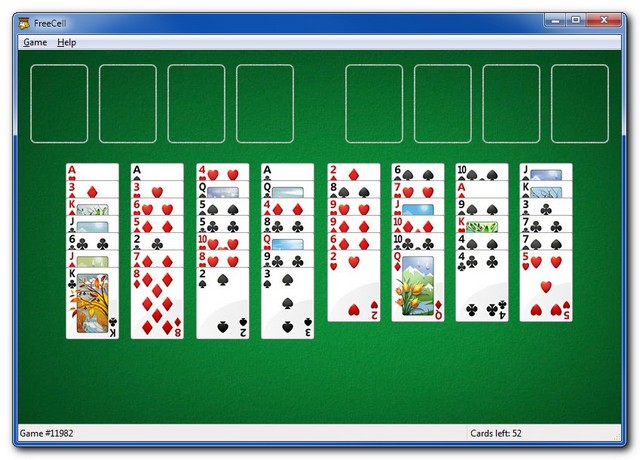
Freecell is a solitaire card game that requires both strategy and patience. Unlike other solitaire variants, every card is visible at the start of the game, which makes it a perfect game for players who love solving puzzles and engaging in thoughtful, strategic gameplay. While it may seem simple at first glance, mastering the Freecell game requires understanding its rules and having a clear approach to every move. This article outlines ten easy steps to help players master Freecell and improve their gameplay, whether you’re just starting or want to refine your skills.
Step 1: Understand the Rules
Before diving into strategies, it’s crucial to understand the basic rules of Freecell. The game uses a standard 52-card deck, and all cards are dealt face-up into eight tableau piles. You can move cards between these piles to create descending sequences of alternating colors, such as a red 6 on a black 7. The goal is to move all cards into four foundation piles, sorted by suit in ascending order, from Ace to King.
Knowing the rules ensures you know what you’re aiming for in every game and will give you a solid foundation to plan your moves.
Step 2: Prioritize the Aces
Aces are the key to unlocking your game’s success. Whenever possible, move Aces to the foundation piles right away. This move opens up the tableau and allows you to free up other cards to help with future plays. It’s important to avoid holding onto Aces longer than necessary, as doing so could create unnecessary obstacles down the road.
Step 3: Use the Freecells Wisely
The four freecells are essential in the Freecell game. They serve as temporary storage for cards while you organize other parts of the tableau. However, every freecell you use decreases your ability to maneuver the remaining cards, so it’s crucial to use them strategically. Use freecells for cards that can help you uncover more valuable cards or to temporarily hold cards while you move others around to free up tableau piles.
Be mindful not to fill the freecells too quickly. Ideally, try to keep at least one or two free for flexibility as you move cards.
Step 4: Plan Ahead
A common mistake new players make is rushing through moves without thinking about their overall strategy. It’s tempting to move cards quickly, but planning ahead and thinking a few moves ahead will help you avoid traps that are difficult to recover from. Analyze the tableau before making any moves, and think about how each action will affect the game in the long run.
Step 5: Uncover the Face-Down Cards
The foundation of Freecell revolves around uncovering and managing face-down cards. If any piles are blocking cards you need, work on uncovering those face-down cards. Focus on moves that expose cards in the tableau, especially cards that are stuck underneath others. Keeping track of which cards are hidden will help you plan your moves and avoid getting stuck.
Step 6: Create Empty Tableau Columns
An empty tableau column is an incredibly powerful tool in Freecell. These columns allow you to place any card temporarily, which gives you the freedom to move other cards around more easily. To create an empty column, focus on removing cards from tableau piles. Look for sequences that can be moved to the foundation piles, or reorganize piles so they’re easier to manage.
Step 7: Use Sequencing to Your Advantage
Freecell requires players to stack cards in specific sequences of alternating colors. You should aim to stack cards in a descending order from King to Ace. When moving cards to tableau piles, always try to build on a higher-ranking card that is opposite in color. For example, place a red 9 on a black 10, which frees up space for other cards. Look for opportunities to create these descending sequences as often as possible.
Step 8: Avoid Moving Cards Without Purpose
It’s easy to get caught up in making quick moves, especially when it seems like there’s no immediate solution. However, it’s essential to avoid making moves just for the sake of it. Always ask yourself if each move brings you closer to your goal or opens up more options. For example, moving a 10 onto a 9 may seem useful, but it could block a valuable card you need. Take a step back before each move to ensure it has a purpose.
Step 9: Keep Your Piles Organized
As the game progresses, your tableau will become increasingly cluttered with piles of cards. It’s important to keep your piles organized so you don’t accidentally block your progress. Try to arrange your tableau piles by building the correct sequences of alternating colors. This will create a clear path for card movement and prevent you from running into dead ends. A disorganized tableau will only make the game harder as you approach the final stages.
Step 10: Practice Patience
Like many card games, Freecell requires patience and persistence. Don’t expect to win every game right away, and be prepared to restart if you hit a roadblock. Remember that every game is a puzzle, and while some games may seem impossible, a methodical approach will eventually lead you to a solution. Practice your strategies, improve your decision-making, and stay calm when things don’t go as planned.
Conclusion
Mastering the Freecell game doesn’t happen overnight, but by following these ten easy steps, you can significantly improve your skills and your chances of winning. Whether you’re a beginner or a seasoned player, applying these strategies will make you more efficient at solving the game’s challenges. Remember, patience is key, and with practice, you’ll be able to navigate the complexities of Freecell with ease.