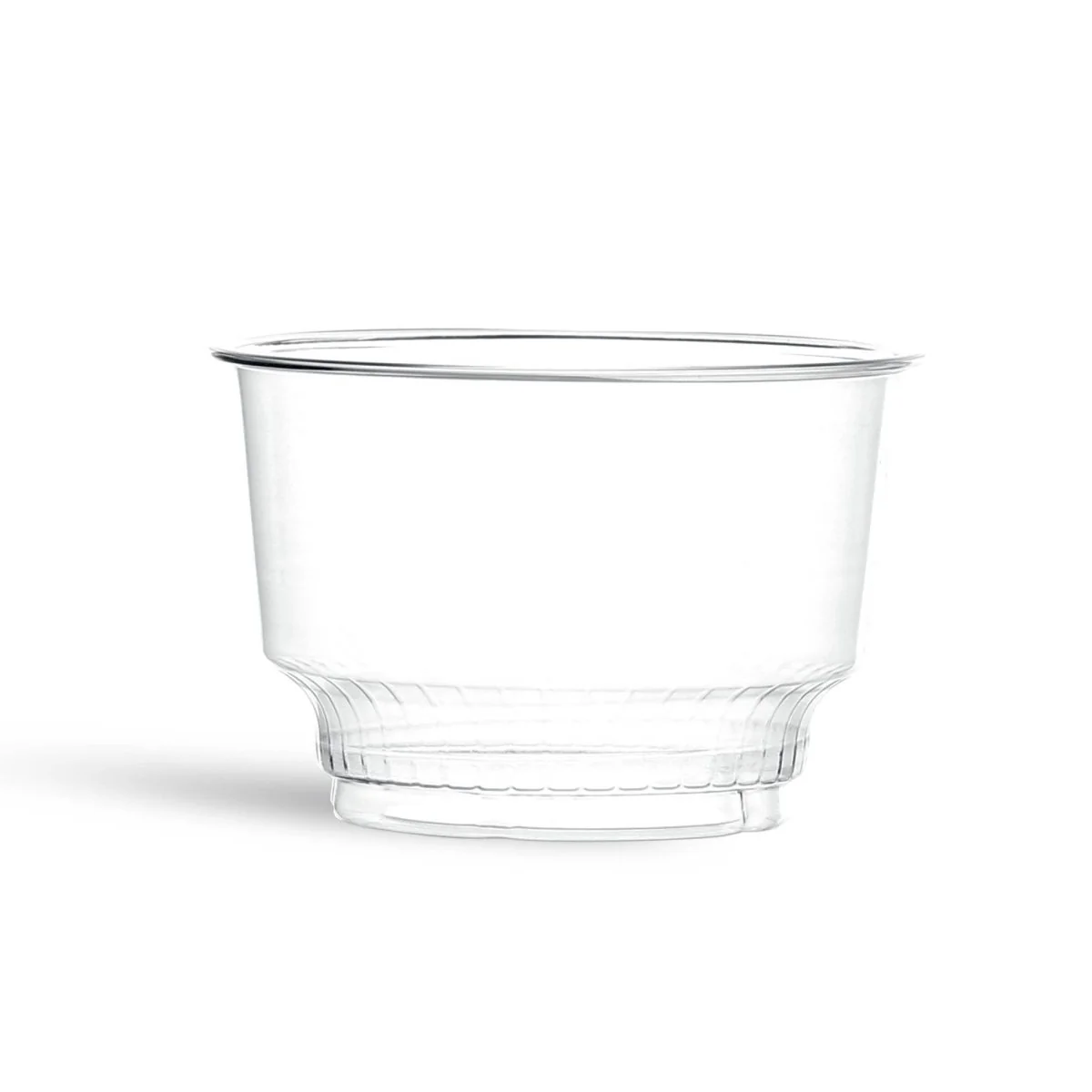
How Microwavable Food Containers Are Designed for Food Service
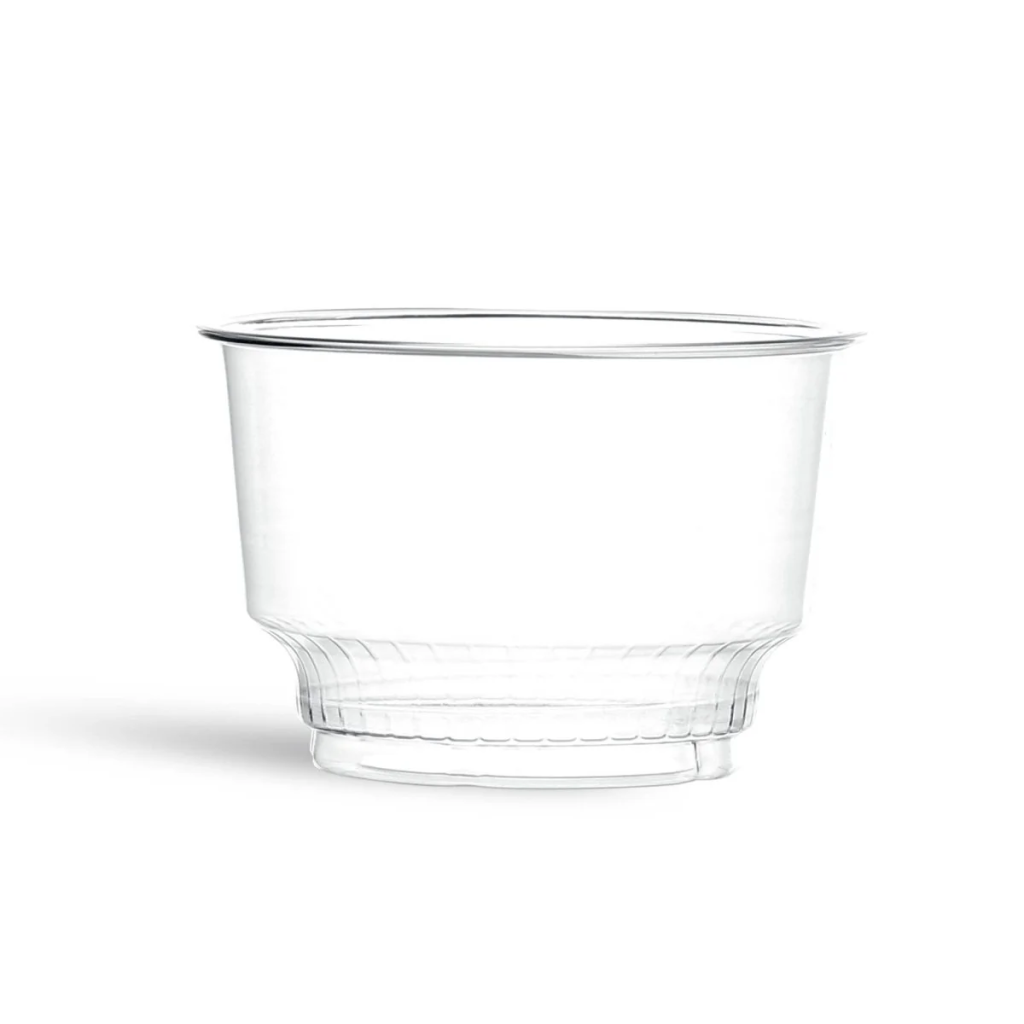
In the food service industry, efficiency, safety, and convenience are essential. Microwavable food containers have become indispensable for restaurants, catering businesses, meal prep services, and takeaway providers. These containers are designed to safely store, transport, and reheat food while maintaining quality and presentation. Their engineering meets the demands of modern operations, emphasizing speed, hygiene, and customer satisfaction.
With the growing need for ready-to-heat meals, food service providers rely on microwavable container producers to deliver durable, practical, and safe solutions that withstand repeated microwaving and provide convenience for both businesses and consumers.
The Purpose of Microwave-Safe Food Containers
The primary function of microwave-safe food containers is to bridge the gap between food preparation and consumption. These containers allow meals to be stored safely and reheated directly in the microwave without transferring food to other dishes. This capability reduces preparation time for consumers, ensures food safety, and simplifies delivery processes for food service businesses.
In takeaway and delivery services, these containers provide a convenient solution for customers who expect food to arrive fresh, warm, and ready to eat. Meal prep companies benefit from containers that support portion control, easy reheating, and storage. Restaurants also use these containers to allow patrons to take leftovers home safely. In all these scenarios, the thoughtful design of microwavable containers contributes significantly to operational efficiency and customer satisfaction.
Key Design Principles of Microwave-Safe Food Containers
Designing a microwavable container is more complex than it may appear. Food safety, convenience, and functionality must be balanced with durability and cost-effectiveness. The following design principles are commonly considered by microwavable container producers:
Safety and Heat-Resistant Materials
The choice of material is critical in creating a microwavable container. Containers must withstand microwave heat without deforming, releasing harmful chemicals, or losing structural integrity. Food-grade plastics like polypropylene and PET are commonly used due to their heat resistance and durability. Clear plastics are also preferred for their transparency, allowing staff and consumers to quickly identify contents.
Additionally, containers must be free from substances that could compromise food safety. Rigorous testing by microwavable container manufacturers ensures the containers meet regulatory standards and can be safely used in commercial food service environments. High-quality containers provide consistent performance over multiple heating cycles, making them ideal for both restaurants and home use.
Compartmentalized Layouts
Many microwavable containers include multiple compartments to separate different components of a meal. This design prevents mixing of flavors and preserves food textures. Compartmentalized containers are especially valuable for meal prep services, school lunches, and catering businesses where complete meals are packaged together but must remain visually appealing and flavorful.
The design of these compartments takes into account portion sizes, type of food, and ease of reheating. Some containers include removable inserts, which allow for flexibility in packaging different types of meals. This thoughtful design increases versatility and reduces the risk of food contamination.
Secure Lids and Sealability
A reliable lid is essential for microwavable containers. Lids prevent spills during transport, preserve freshness, and control steam during microwaving. Containers with secure-fitting lids are ideal for takeaway meals, ensuring food remains contained and hygienic. Many designs also include venting options to allow steam to escape safely while reheating, protecting both food quality and the consumer.
High-quality lids contribute to usability by allowing containers to be stacked without leaking. This design is particularly important for food service providers managing large orders or delivery services.
Stackability and Space Efficiency
Stackable design is another important consideration. In busy kitchens or delivery vehicles, space is often limited, and containers must be stored efficiently. Stackable containers reduce clutter, improve organization, and make it easier to transport multiple meals safely. This feature also helps minimize waste of storage space, allowing food service providers to operate more efficiently.
Complementary Products in Food Service
Alongside containers, food service providers require other essential items. Disposable PET utensil sets are commonly used alongside microwavable food containers, providing customers with utensils that are hygienic, convenient, and disposable. Including cutlery with meals enhances the overall customer experience, especially for takeaway and delivery services where immediate use is expected.
These complementary items, including forks, spoons, knives, and even napkins, allow businesses to offer complete meal solutions. By pairing microwavable containers with disposable PET utensil sets, food service providers can maintain a consistent level of quality and convenience for their customers.
Applications Across the Food Industry
The versatility of microwavable containers makes them suitable for a wide range of food service operations:
- Takeaway and Delivery Services: Containers are designed to transport food safely while allowing customers to reheat meals easily.
- Meal Prep Services: Perfect for portion-controlled meals that can be stored and reheated at home or work.
- Catering Events: Compartmentalized containers provide complete meals for weddings, corporate events, or parties.
- Restaurant Leftovers: Allowing diners to take uneaten portions home safely without compromising quality.
In each of these applications, the design of microwavable containers ensures food remains safe, fresh, and convenient for customers while supporting operational efficiency for food service providers.
Sustainability Considerations
Sustainability is an emerging concern in food packaging. While microwavable containers must meet heat and safety standards, manufacturers are increasingly exploring eco-friendly options that reduce environmental impact. Using recyclable or biodegradable materials allows food service businesses to meet consumer expectations for sustainable practices without compromising the functionality of containers.
Some microwavable container producers now integrate sustainable designs with durability and performance, ensuring that food service operations remain both efficient and environmentally responsible.
Conclusion
Efficient and safe meal delivery relies heavily on microwavable food containers in modern food service. Designed with heat-resistant materials, compartments, secure lids, and stackable layouts, they help restaurants, catering services, and meal prep businesses maintain food quality. Complementary items like disposable PET utensil sets enhance hygiene and convenience for takeaway and delivery meals. Understanding their design and purpose allows food businesses to streamline operations and meet customer expectations effectively.
For businesses seeking reliable and convenient food packaging solutions, Hotpack Webstore provides a wide selection of microwave-safe food containers, PET takeaway cutlery sets, and other food service packaging solutions. Their online platform delivers high-quality, reliable products that help restaurants, caterers, and takeaway services operate efficiently. With a focus on convenience, food safety, and customer satisfaction, Hotpack Webstore ensures businesses can streamline operations while maintaining the quality and hygiene standards essential for modern food service.