Common Nasogastric Training Mistakes and How Simulation Can Help Prevent Them
Introduction
Nasogastric (NG) tube procedures are important clinical skills that require careful preparation, accurate technique, and appropriate patient monitoring. For nursing students, learning these procedures in a classroom can be challenging because the process involves multiple steps that must be performed correctly.
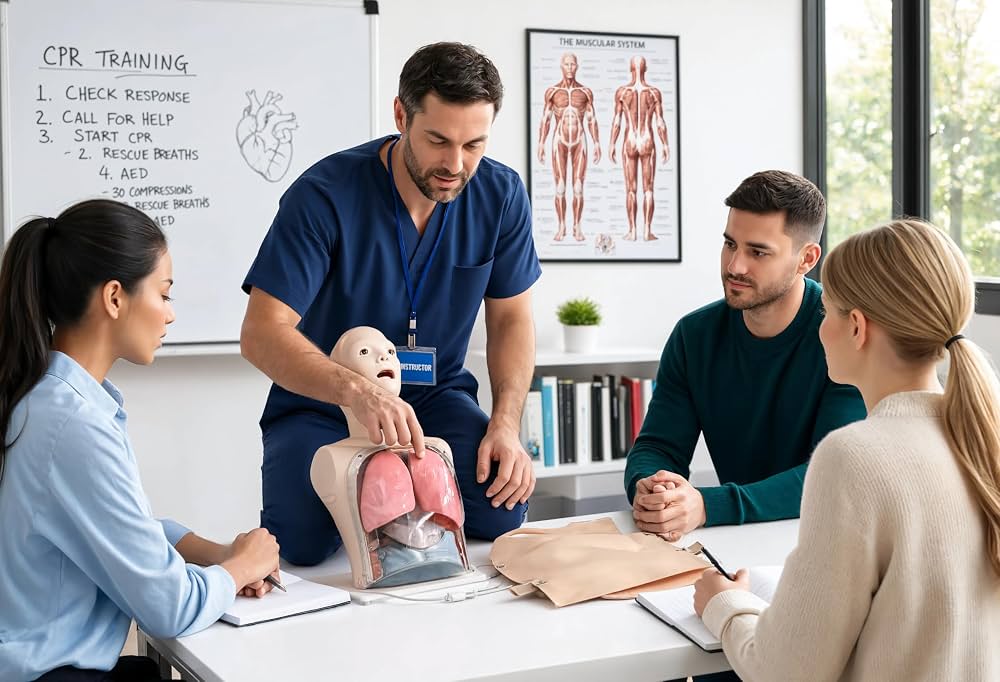
Simulation-based education provides a controlled environment where students can practice these skills repeatedly under instructor supervision. Using appropriate nasogastric training kits and simulation equipment can help students recognize common mistakes and improve their technique before entering clinical settings.
Mistakes of Nasogastric Training to Avoid
1. Inadequate Preparation
One common nasogastric training mistake is beginning the procedure without properly preparing the required equipment. Students may forget essential supplies or fail to organize their workspace.
Simulation allows instructors to create scenarios where students must prepare their equipment before starting. This encourages them to develop a consistent preparation routine.
How simulation helps: Students can practice gathering and checking supplies repeatedly until preparation becomes a natural part of their workflow.
2. Poor Understanding of Equipment
Nasogastric procedures involve several pieces of equipment, and unfamiliarity can lead to confusion during training. Students may struggle to identify tubes, syringes, drainage equipment, or other components of a nasogastric kit.
Training kits allow students to handle equipment in a controlled environment. Instructors can explain the purpose of each component and allow students to practice assembling and using the appropriate supplies.
3. Skipping Patient Communication
Technical skills are only one part of nursing care. Students also need to understand how to communicate with patients throughout a procedure. A common mistake is focusing so heavily on the technical steps that communication is overlooked.
Instructors can incorporate communication into simulated scenarios. Students can practice explaining the procedure, responding to concerns, and maintaining professional communication throughout the exercise.
4. Inconsistent Infection-Control Practices
Maintaining appropriate infection-control practices is essential during clinical procedures. During training, students may forget hand hygiene or use protective equipment inconsistently. Repeated practice helps students develop consistent habits rather than treating infection control as an optional part of the procedure.
5. Rushing Through the Procedure
Nervous students may rush through procedures or focus on completing the task rather than following each step carefully. This can make it difficult for instructors to identify where the student needs improvement.
Students can practice at a manageable pace without pressure from a real clinical environment. Instructors can pause scenarios, explain errors, and allow students to repeat specific steps.
6. Failing to Recognize Potential Problems
Another challenge is recognizing signs that something may not be proceeding as expected. Students need to develop observation and clinical reasoning skills rather than simply memorizing a sequence of actions.
Educators can design scenarios with different complications or unexpected findings. Students can then practice recognizing changes, communicating concerns, and following their institution’s appropriate procedures.
Conclusion
Nasogastric training requires more than memorising individual steps. Students need opportunities to develop technical skills, communication, preparation, infection-control habits, observation, and clinical reasoning.
Nasogastric training kits can provide a practical foundation for simulation-based learning. By creating realistic scenarios and offering immediate instructor feedback, nursing programmes can help students identify common training mistakes and build greater confidence before applying their skills in real patient-care environments.