Pros and Cons of Dental Veneers for Lake Mary Residents
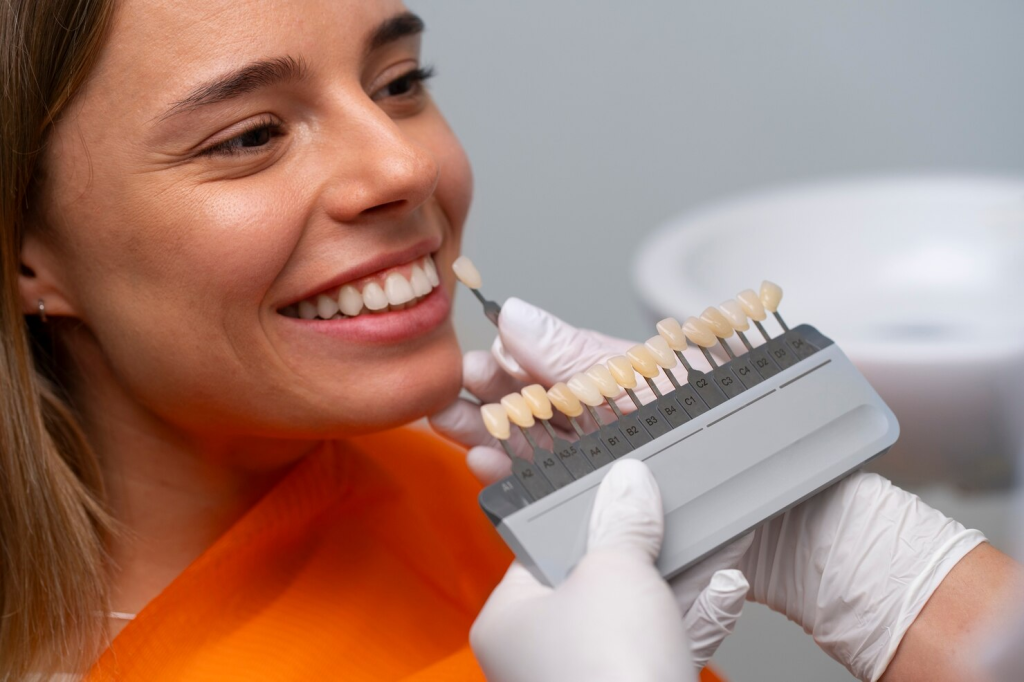
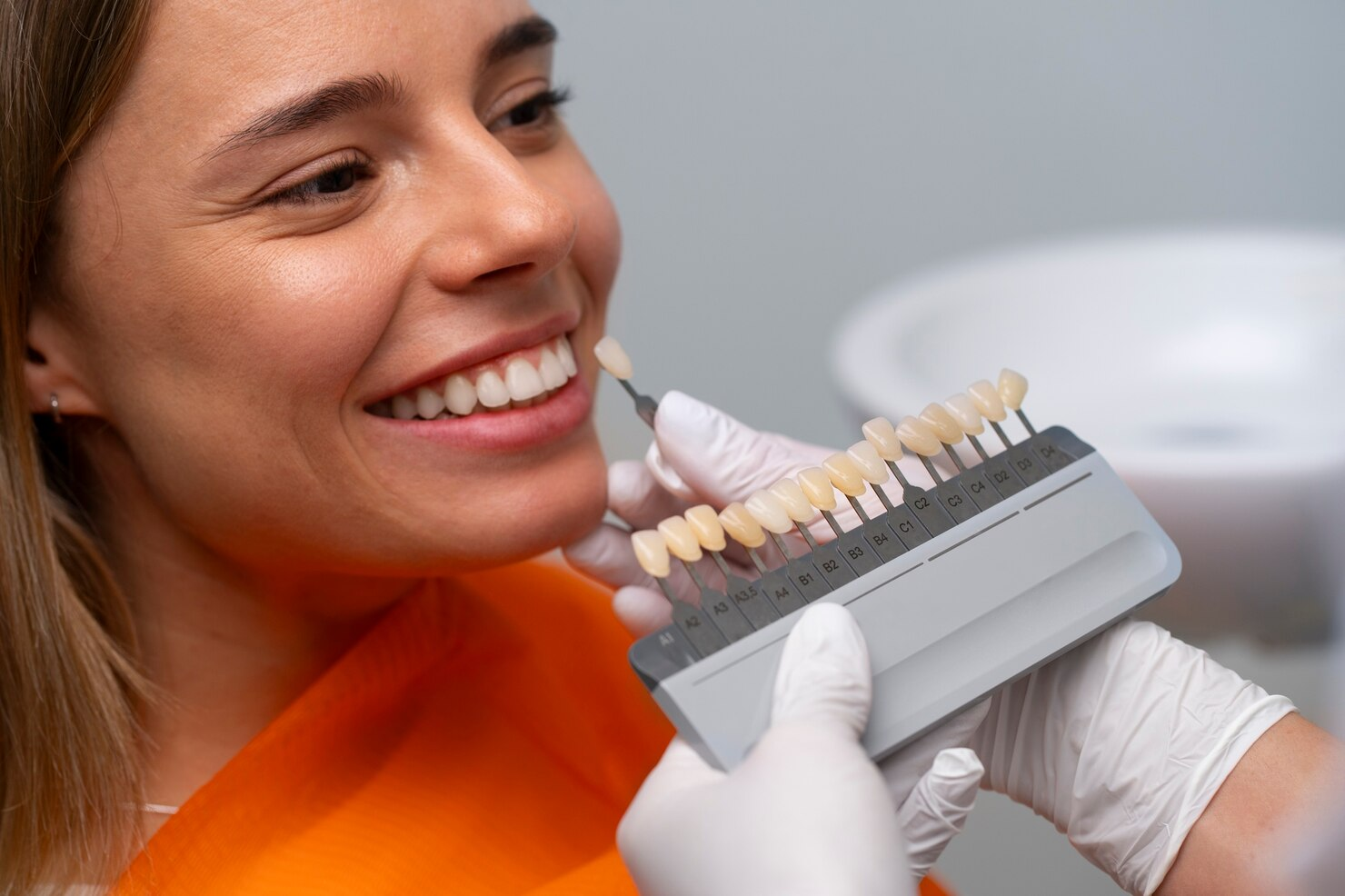
A confident smile often defines first impressions, and cosmetic dentistry has evolved to make achieving a flawless smile more accessible than ever. Among the most transformative treatments available today are dental veneers, ultra-thin shells designed to cover the front surface of teeth and dramatically improve their appearance. These custom-made restorations are typically crafted from porcelain or composite resin, offering both durability and aesthetic appeal. They are designed to correct imperfections such as discoloration, uneven shapes, chips, and small gaps between teeth.
When individuals explore cosmetic dentistry solutions, consulting a dentist in Lake Mary ensures that the treatment is tailored to their unique dental structure and aesthetic goals. Professional evaluation helps determine whether veneers are the ideal solution for improving tooth symmetry, brightness, and overall smile harmony.
Patients interested in Veneers in Lake Mary often choose them because they offer a rapid transformation with natural-looking results. Unlike orthodontic treatments that may take months or years, veneers can often deliver a dramatically enhanced smile within just a few visits.
What Are Dental Veneers and How Do They Work?
Dental veneers are thin, custom-designed shells that are bonded to the front surface of natural teeth. Their primary purpose is to improve the appearance, color, shape, and alignment of teeth. Because they are individually crafted, veneers blend seamlessly with natural teeth and mimic the translucency of real enamel.
There are two primary types of veneers commonly used in cosmetic dentistry:
Porcelain Veneers
Porcelain veneers are considered the gold standard due to their durability, stain resistance, and highly natural appearance. These veneers are fabricated in a dental laboratory using advanced ceramic materials that closely resemble natural tooth enamel. Porcelain veneers can last 10–15 years or longer with proper care.
Composite Resin Veneers
Composite veneers are created using tooth-colored resin material that is sculpted directly onto the teeth. While they are more affordable than porcelain veneers, they generally have a shorter lifespan and may be more prone to staining over time.
The veneer procedure typically involves three key stages: consultation and smile design, tooth preparation, and veneer bonding. During preparation, a thin layer of enamel is removed to allow the veneer to fit naturally and comfortably.
The Advantages of Dental Veneers
Veneers have become one of the most sought-after cosmetic dentistry solutions because they offer numerous benefits for patients seeking a radiant smile.
Instant Smile Transformation: One of the most compelling benefits of veneers is the dramatic and immediate improvement in appearance. Teeth that are stained, chipped, worn, or uneven can be transformed into a bright, symmetrical, and aesthetically pleasing smile in a relatively short time.
Natural-Looking Results: Porcelain veneers are designed to replicate the translucency and texture of natural enamel. This allows them to blend seamlessly with surrounding teeth, creating a smile that appears completely natural.
Stain Resistance: Unlike natural enamel, porcelain veneers are highly resistant to staining from common beverages such as coffee, tea, and wine. This helps maintain a consistently bright smile for many years.
Durability and Longevity: When properly maintained, veneers can last a decade or more. Their strong ceramic structure allows them to withstand normal chewing forces while maintaining their shape and color.
Minimal Orthodontic Correction: Veneers can correct minor misalignments, small gaps, and irregular tooth shapes without requiring extensive orthodontic treatment. This makes them an appealing option for patients seeking faster aesthetic improvements.
Potential Drawbacks to Consider Before Choosing Veneers
While they offer impressive cosmetic benefits, it is important to understand their limitations and potential disadvantages.
Irreversible Procedure: Because a thin layer of enamel must be removed to place veneers, the process is permanent and irreversible. Once veneers are placed, the teeth will always require some type of restoration.
Cost Considerations: Porcelain veneers can be more expensive than other cosmetic treatments due to their custom fabrication and advanced materials. However, many patients view them as a worthwhile investment due to their durability and aesthetic impact.
Possible Tooth Sensitivity: Some patients may experience temporary sensitivity to hot or cold foods after the enamel reduction process. This sensitivity usually diminishes within a short period as the teeth adapt.
Risk of Damage: Although veneers are strong, they can still chip or crack if subjected to excessive pressure, such as biting hard objects or grinding teeth. Protective measures, such as night guards, may be recommended for individuals who grind their teeth.
Who Is an Ideal Candidate?
Not everyone is an ideal candidate for veneers. Cosmetic dentists typically recommend veneers for individuals who have:
- Severely stained teeth that do not respond to whitening treatments
- Chipped or worn teeth that affect the smile’s appearance
- Uneven or irregular tooth shapes
- Small gaps between teeth
- Minor misalignment or crowding
However, individuals with significant tooth decay, gum disease, or severe enamel erosion may require restorative treatments before veneers can be considered.
The Dental Veneer Procedure: Step-by-Step
The process of receiving them typically involves several carefully planned stages to ensure optimal results.
Initial Consultation and Smile Planning: During the first visit, the dentist evaluates the patient’s oral health, smile aesthetics, and cosmetic goals. Digital imaging or smile simulations may be used to visualize potential results.
Tooth Preparation: A minimal amount of enamel is gently removed from the front surface of the teeth to create space for the veneers. This ensures a natural fit and comfortable bite alignment.
Impressions and Custom Fabrication: Precise impressions of the prepared teeth are taken and sent to a dental laboratory. Skilled technicians craft custom veneers that match the shape, color, and size required for the patient’s ideal smile.
Temporary Veneers: In some cases, temporary veneers may be placed while the final restorations are being fabricated.
Final Bonding: Once the custom veneers are ready, they are carefully bonded to the teeth using special dental adhesives and curing lights that create a strong and lasting attachment.
How to Maintain Dental Veneers for Long-Term Results
Proper care plays a crucial role in maintaining the appearance and durability of veneers. Patients can extend the lifespan of their veneers by following simple oral hygiene practices.
Maintain Consistent Oral Hygiene: Brushing twice daily with a non-abrasive toothpaste and flossing regularly helps protect both veneers and natural teeth.
Attend Regular Dental Checkups: Routine dental visits allow professionals to monitor the condition of veneers and ensure surrounding teeth remain healthy.
Avoid Hard or Sticky Foods: Excessive force from biting hard objects such as ice or pens can increase the risk of veneer damage.
Wear a Night Guard if Necessary: Patients who grind or clench their teeth during sleep may benefit from wearing a custom night guard to protect veneers from pressure.
Is the Investment in Dental Veneers Worth It?
For many patients seeking a long-term cosmetic enhancement, veneers provide a highly effective and reliable solution. Their ability to correct multiple dental imperfections simultaneously makes them one of the most versatile treatments in modern cosmetic dentistry.
Patients often report increased confidence, improved self-esteem, and greater satisfaction with their smiles after receiving veneers. When performed by experienced professionals and maintained with proper care, veneers can remain attractive and functional for many years.