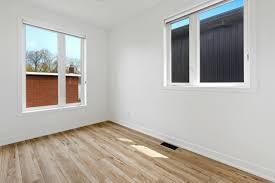
Torus Skirting Complements Both Modern and Classic Rooms
Skirting boards are essential in defining the character and finish of a room. Among the many available profiles, torus skirting stands out for its ability to bridge the gap between traditional charm and contemporary style. With its soft curve and clean lines, torus skirting is a versatile choice that works seamlessly in both modern and classic interiors, adding a subtle yet refined touch to any space.
The Timeless Appeal of Torus Skirting
The torus profile is defined by its semi-circular, convex curve near the top of the board, which transitions into a flat section that extends to the floor. This simple yet elegant design has long been favored for its balanced appearance. It offers enough detail to enhance a traditional room but is also streamlined enough to suit minimalist, modern designs.
Unlike ornate profiles that may feel outdated in a contemporary setting or overly plain ones that lack character in classic interiors, torus skirting strikes the perfect middle ground. Its universal design has helped it remain one of the most widely used skirting profiles across various home styles.
Perfect for Traditional Interiors
In classic interiors, where attention to detail is key, torus skirting adds a layer of architectural interest without overshadowing other features. It pairs well with decorative cornices, panelled doors, and heritage colour palettes. When used in period properties, it can reinforce the historical style of the space, particularly when crafted from natural wood and finished with a stain or varnish.
In Victorian or Edwardian homes, taller torus skirting boards are especially effective in maintaining the room’s proportions and character. They provide a strong visual base that anchors the walls and complements features like fireplaces and picture rails.
A Natural Fit for Modern Spaces
Modern homes often favour clean lines and simple finishes. Torus skirting fits well into this aesthetic thanks to its uncomplicated shape. It adds just enough curve to soften the overall look without clashing with sleek furniture and minimal décor.
Painted in crisp white or neutral tones, torus skirting helps to frame modern flooring such as laminate, vinyl, or polished concrete. It also works well in open-plan spaces where continuity and consistency are important. By using the same profile throughout, you can create a unified flow between different areas of the home.
Material and Finish Flexibility
Torus skirting is available in a range of materials to suit different styles and budgets. MDF is commonly used for painted finishes, offering a smooth surface and cost-effective solution for both traditional and modern applications. It can be easily primed and painted in any colour to match or contrast with the wall.
For a more classic or high-end finish, hardwoods like oak or walnut are ideal. These bring a natural texture and warmth that enhance the traditional feel of a room. Whether stained or left natural, wood skirting provides durability and a timeless appearance.
Conclusion
Torus skirting is a practical and aesthetically flexible choice that enhances the look of both modern and traditional interiors. Its curved profile brings a refined edge to any room, offering subtle detail without overwhelming the space. Whether you’re restoring a heritage property or designing a sleek new build, torus skirting provides a finishing touch that effortlessly complements a wide range of styles.