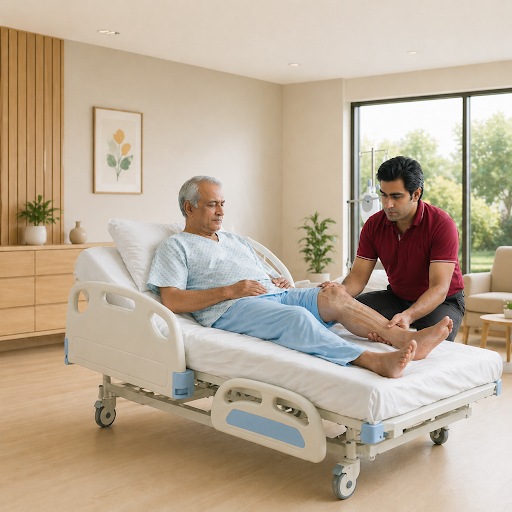
From ICU to Independence: How Cardiac Rehabilitation Supports Recovery
For many families, the most emotional moment during heart surgery is seeing their loved one moved into the ICU. The machines, monitors, oxygen support, and constant supervision are reminders of how serious the situation truly is.
Then comes the next milestone—the patient stabilises, moves out of intensive care, and is eventually discharged from the hospital. Families feel relieved. The surgery is over, the crisis seems controlled, and everyone hopes life will slowly return to normal.
But the reality of recovery is often very different.
The journey from ICU to independence is rarely automatic. Patients may survive surgery, but regaining strength, confidence, stamina, and normal daily functioning takes time. This is exactly where cardiac rehabilitation becomes one of the most important parts of the healing journey.
Recovery after surgery is not only about the heart healing—it is about helping the patient rebuild life safely and confidently.
The Transition After ICU Is Often the Most Difficult Phase
Inside the ICU, recovery is highly structured. Every vital sign is monitored, medications are managed precisely, and medical teams respond immediately to changes in condition.
But once the patient leaves the ICU and eventually returns home, that structure suddenly reduces.
This transition creates uncertainty.
Patients often feel physically weak and emotionally vulnerable. Simple tasks such as walking, climbing stairs, or even sleeping comfortably may feel difficult during the initial weeks. Many patients also become fearful of movement because they worry about overexertion or another cardiac event.
This is why rehab after heart surgery is so important.
A structured cardiac rehab approach ensures that patients are not left to navigate recovery alone.
Recovery Is More Than Physical Healing
One of the biggest misconceptions about recovery is that it ends once the surgical wound heals.
In reality, recovery after heart surgery affects every aspect of life.
Patients often experience:
- Reduced stamina and endurance
- Weakness and fatigue
- Breathing difficulty during activity
- Emotional stress and anxiety
- Reduced confidence in movement
Without guided recovery, these challenges can persist for months.
This is where cardiac rehabilitation creates a meaningful difference. It provides patients with a structured and medically supervised path from dependency toward independence.
How Cardiac Rehabilitation Supports the Recovery Journey
A proper cardiac rehabilitation program is designed to rebuild strength gradually and safely.
Recovery usually begins with gentle movement and monitored activity. Over time, patients slowly regain mobility, improve endurance, and rebuild confidence in daily life.
The purpose of rehab after open heart surgery is not simply to make patients exercise. It is to help the body adapt safely after a major cardiac event.
A structured cardiac rehab program focuses on:
- Controlled physical activity
- Monitoring heart response during recovery
- Improving breathing and endurance
- Medication management
- Emotional support and confidence-building
This integrated approach ensures that recovery remains steady and safe.
Why Many Patients Struggle Without Structured Rehab
In India, many patients are discharged directly home after surgery. While families provide emotional support, recovery often becomes inconsistent without professional guidance.
Patients may avoid movement because they are afraid of complications. Others may attempt to return to normal routines too quickly. Medication schedules may become irregular, and rehabilitation exercises may not be followed consistently.
Over time, this slows recovery and increases dependence on caregivers.
This is one of the biggest reasons why cardiac rehabilitation is becoming increasingly important in modern recovery care.
The Emotional Journey From Dependency to Independence
The recovery journey after heart surgery is deeply emotional.
In the ICU, patients depend almost entirely on medical support. After discharge, they often depend heavily on family members for daily activities.
For many individuals, especially elderly patients, this loss of independence can feel frustrating and emotionally draining.
A structured cardiac rehab environment helps patients regain confidence gradually. Every small milestone—walking independently, climbing stairs comfortably, or completing daily activities without fear—becomes an important step toward emotional recovery.
This psychological support is often overlooked but plays a major role in long-term healing.
Why Monitoring Matters Throughout Recovery
Recovery after surgery is not always linear.
Some days patients feel stronger, while on other days fatigue or breathlessness may increase unexpectedly. This is why monitoring remains critical throughout rehab after open heart surgery.
Continuous supervision helps:
- Identify complications early
- Adjust rehabilitation intensity safely
- Monitor heart rate and oxygen levels
- Ensure recovery progresses steadily
Without supervision, patients and families are often left relying on assumptions instead of clinical assessment.
Why Care Homes Are Better Equipped for Cardiac Recovery
This is where a structured Care home environment becomes highly valuable.
Unlike smaller clinics or standalone rehab centers, established Care Homes are designed to support complete recovery journeys. Recovery after heart surgery is not limited to one-hour therapy sessions—it is a continuous process that requires coordinated care.
Care Homes provide:
- 24×7 nursing and monitoring support
- Guided rehabilitation routines
- Medication and diet management
- Emergency response readiness
- Professional pain and wound care
This integrated ecosystem ensures that recovery remains consistent and medically supervised throughout the most vulnerable period after discharge.
The Advantage of Established Care Home Providers
Not all recovery environments provide the same level of expertise.
Established Care Home providers with wider presence generally have stronger infrastructure, multidisciplinary teams, and more experience in handling complex cardiac recovery cases.
This becomes particularly important for:
- Elderly patients
- Patients with multiple medical conditions
- Individuals requiring longer recovery timelines
- Patients recovering after major open-heart procedures
Experienced providers are better equipped to manage complications, maintain structured rehabilitation protocols, and ensure continuity of care.
In contrast, smaller or fragmented recovery setups may lack the clinical depth required for comprehensive cardiac recovery.
For families, this difference can significantly impact long-term recovery quality.
Cardiac Rehabilitation Helps Patients Rebuild Daily Life
The ultimate goal of recovery is not simply to heal medically—it is to help patients return to life with confidence and independence.
Patients who complete structured cardiac rehabilitation often experience:
- Better stamina and mobility
- Improved confidence in movement
- Greater emotional stability
- Reduced dependence on caregivers
- Safer return to daily activities
In many cases, the difference between surviving surgery and truly recovering from it lies in whether structured rehabilitation was followed.
Why Structured Recovery Is Becoming More Important in India
India continues to see a rapid rise in cardiovascular disease and cardiac surgeries. At the same time, urban lifestyles, nuclear family structures, and increasing caregiving challenges are making home-based recovery more difficult.
Families are increasingly recognising that surgery alone is not enough. Recovery requires supervision, structure, and coordinated rehabilitation support.
This growing awareness is driving greater demand for organised cardiac rehab solutions and professionally managed recovery environments.
Conclusion
The journey from ICU to independence is not automatic.
Heart surgery may save a patient’s life, but recovery determines how fully that life is regained afterward. This is why cardiac rehabilitation plays such a critical role in modern cardiac care.
A structured rehab after heart surgery program helps patients rebuild strength, restore confidence, and safely return to daily life. More importantly, it transforms recovery from an uncertain process into a guided journey with clear support at every stage.
For families, understanding the value of supervised rehabilitation can make a meaningful difference in long-term recovery outcomes.
Because in the end, true recovery is not just about leaving the ICU—it is about returning to life with confidence, dignity, and independence.
FAQs
1. What is cardiac rehabilitation after heart surgery?
Cardiac rehabilitation is a medically supervised recovery program that helps patients regain strength, stamina, and confidence after heart surgery.
2. Why is rehab after open heart surgery important?
Rehab after open heart surgery helps improve recovery speed, reduce complications, and support safer return to daily life.
3. Can patients recover safely without cardiac rehab?
Some recovery is possible at home, but structured cardiac rehab provides better monitoring, guided recovery, and improved long-term outcomes.
4. Why are Care Homes better for cardiac recovery compared to smaller rehab centres?
Established Care Homes provide continuous supervision, integrated rehabilitation support, emergency readiness, and experienced clinical teams, which often lead to safer and more effective recovery outcomes.