Engineering Stability and Precision in Advanced X-Ray Power Systems
Imaging systems rely heavily on electrical precision, where controlled energy delivery directly impacts performance outcomes. Within X-ray technology, the ability to generate stable and consistent radiation is not accidental but engineered through highly specialized components that work in sync. These systems must handle complex operational demands while maintaining accuracy across varying applications.
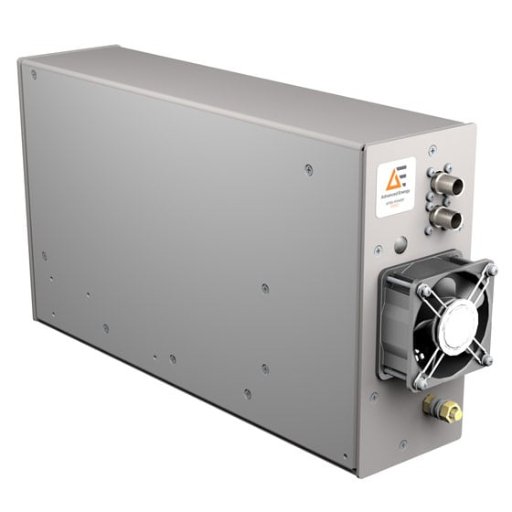
At the center of this infrastructure sits the high voltage power supply for X-Ray tube, a critical element responsible for converting input energy into the controlled high-voltage output required for X-ray generation. Its role influences not only imaging clarity but also system efficiency, durability, and overall operational reliability.
Understanding the Core Function of X-Ray Power Systems
Power systems within X-ray equipment are designed to convert low-voltage input into the high-voltage energy required to accelerate electrons inside the X-ray tube. This process is fundamental to producing X-rays, making the power system one of the most essential components in the entire setup. Without consistent voltage delivery, systems fail to generate reliable imaging results.
Beyond basic conversion, modern systems incorporate control mechanisms that regulate voltage and current in real time. These controls ensure that output remains stable even under varying operational loads. Such stability is essential in applications ranging from industrial inspection to medical imaging, where precision is directly tied to performance outcomes.
Integrated System Design and Its Impact on Performance
Integrated X-ray systems combine multiple components into a unified structure, improving efficiency and simplifying system architecture. These systems typically include the X-ray tube, high-voltage generator, control electronics, and thermal management within a single compact module.
This design significantly reduces the complexity of installation and minimizes potential failure points. By eliminating the need for multiple external connections, integrated systems enhance reliability and ensure consistent performance over extended periods of use.
Why Voltage Stability Defines Imaging Accuracy
Stable voltage output is a fundamental requirement for producing high-quality X-ray images. Any fluctuation in voltage can result in inconsistent radiation output, leading to variations in image clarity and penetration depth. This directly impacts the ability to detect fine details during inspection or diagnosis.
To address this, modern generators use closed-loop feedback systems that continuously monitor and adjust output levels. These systems ensure precise voltage control, which improves image consistency and reduces noise. Reliable voltage regulation also extends the lifespan of critical components such as the X-ray tube.
Key Design Factors in High-Voltage X-Ray Systems
Designing high-voltage systems requires careful consideration of multiple engineering parameters. These include electrical insulation, thermal management, and compact system architecture. Each factor contributes to overall system stability and safety during operation.
Material selection also plays a critical role in handling high electrical stress. Advanced insulation techniques prevent energy leakage and ensure consistent performance under demanding conditions. Additionally, compact designs make integration easier for manufacturers working with space-constrained systems.
Critical Features That Enhance System Reliability
Critical features that enhance system reliability focus on maintaining consistent performance under varying operational conditions while ensuring safety and durability. These include effective thermal management, precise voltage regulation, strong electrical insulation, and compact system architecture, all of which work together to reduce failure risks and support long-term stability in X-ray systems.
Thermal Management Systems
Effective cooling is essential for maintaining system stability during continuous operation. High-voltage components generate significant heat, and efficient thermal management prevents overheating and performance degradation.
Precision Voltage Regulation
Advanced regulation systems maintain consistent voltage levels, ensuring stable radiation output. This improves imaging accuracy and supports reliable system performance.
Electrical Insulation Integrity
High-quality insulation safeguards components from electrical breakdown. It ensures safe operation even under high-voltage stress conditions.
Compact System Architecture
Modern designs focus on reducing system size without compromising performance. Compact structures allow seamless integration into various X-ray platforms.
- Reduced system footprint supports portable designs
- Simplified installation reduces integration complexity
- Improved accessibility enhances maintenance efficiency
OEM Integration and Customization Requirements
Original equipment manufacturers require flexible solutions that can adapt to different system designs and application needs. Customization plays a key role in ensuring compatibility and optimizing performance. Manufacturers often need to tailor voltage levels, cooling methods, and system configurations to meet specific requirements.
Integrated X-ray sources address these needs by combining essential components into a single module. This approach simplifies system design while maintaining high levels of performance and reliability. OEMs benefit from reduced development time and improved operational efficiency when using pre-configured solutions.
Advancements in High-Voltage Generator Technology
Technological innovation continues to improve the efficiency and performance of X-ray power systems. Modern generators are designed with compact structures, allowing easier integration into advanced imaging platforms. These systems also support a wide range of voltage outputs, making them suitable for diverse applications.
Engineering Precision for Performance Optimization
Engineering precision ensures that every electrical parameter within an X-ray system is carefully controlled and optimized for consistent performance, enabling stable output while minimizing system stress and extending the lifespan of critical components. This level of refinement supports reliable operation under demanding conditions and plays a direct role in maintaining imaging accuracy across diverse applications.
Closed-Loop Feedback Systems
Continuous monitoring allows systems to maintain stable voltage output. This improves consistency and ensures predictable imaging results.
High-Frequency Switching
Advanced switching technologies enhance efficiency by reducing energy loss. They also enable faster response times in dynamic operating conditions.
Robust Circuit Design
Carefully engineered circuits minimize stress on components. This improves durability and reduces the likelihood of system failure.
Digital Control Interfaces
Modern systems include digital interfaces that allow real-time control and monitoring. These features enable seamless communication between components.
- Real-time diagnostics improve system reliability
- Remote monitoring enhances operational control
- Automated adjustments reduce manual intervention
Final Thoughts
What truly determines the long-term performance of an X-ray system beyond its imaging capability? The answer lies in how effectively its core components are engineered and integrated to deliver stable, consistent output under demanding conditions.
With decades of expertise in high-voltage generators and integrated X-ray sources, VJ X-Ray OEM solutions represent a refined approach to system design and customization. VJ X-Ray combines compact engineering, stable output control, and flexible integration capabilities to support OEMs across industries such as industrial inspection, security screening, electronics, and medical imaging, enabling reliable and high-performance X-ray systems.